
Everything You Need to Know About Dog Health Certificates for Travel
Getting your furry companion approved to accompany you overseas can seem like a daunting process. Dog health certificates are a key requirement for international pet travel, but don’t worry – with proper planning, it’s entirely manageable. In this article, I’ll cover everything you need to know about obtaining the right certification for your dog’s destination country.
What is a Dog Health Certificate?
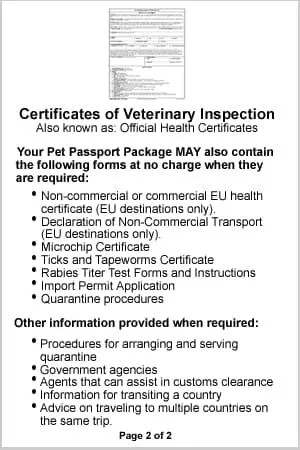
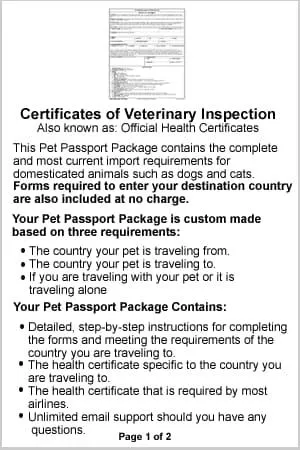
A dog health certificate, also known as an international pet travel certificate, is an official document from your vet stating your dog is healthy and vaccinated to travel internationally. It contains details like your dog’s identifying microchip or tattoo, vaccination history, and a statement that they are free from contagious diseases. Different countries have varying requirements, so the certificate must meet the specific standards of your destination.
Which Vaccinations are Required?
- Rabies: A rabies vaccine is universally required and must be administered at least 30 days before travel.
- DHPPC: Also known as the 5-way or 5-in-1 vaccine, it protects against diseases like distemper, parvovirus, and hepatitis.
- Leptospirosis: Some tropical areas require protection against this potentially fatal bacteria.
Check specific rules for the country you’re visiting. Rabies and DHPPC are typically sufficient for most destinations, but some high-risk locales demand additional vaccines. Stay updated on any new disease outbreaks as well.
How Far in Advance Should I Obtain the Certificate?
Most countries require the health certificate be issued within 10 days of travel, though some allow up to a month. From my experience in the vet field, I always advise clients to get the process started at least 6 weeks beforehand to allow a buffer for any delays or issues. Vaccinations also need time to take full effect before the trip. Proper planning prevents problems down the line.
What Else Goes Into the Certificate?
In addition to vaccination details, the certificate will include identifying information like your dog’s name, breed, color, sex, age and microchip or tattoo number. It will state that they showed no clinical signs of disease upon examination. The vet may also list any current medications. Importantly, the health certificate itself needs to be original or a certified true copy – no photos or scans.
How Much Does It Cost?
Typical costs for a dog health certificate in the U.S. range from $50-150 depending on your vet and location. Prices cover the examination, any boosters needed, and paperwork drafting. You may potentially have to pay for additional lab tests if traveling to high-risk areas. Basically, budget at least $150-200 total when planning international trips with your pup. Passports for dogs can also run $20-60, so factor that in.
What If My Dog Gets Sick After the Certificate?
If your dog exhibits any signs of illness after the health certificate was issued, it may no longer be valid for travel. Contact the embassy or consulate of your destination country for guidance. They can advise on any testing, treatment or waiting period required to get a new certificate. In some cases, you unfortunately may need to postpone the trip. But being transparent about any health changes is better than risking quarantine abroad.
Additional Tips
Allow extra travel time – Certificate paperwork often delays check-ins or border crossings, so allocate more buffer than usual. Carry paper copies – While digital files are acceptable in many places, have multiple printed copies just in case. Research import rules thoroughly – Some areas like Australia have very stringent quarantine policies. Know all collateral requirements for microchipping, crate standards, pet food allowances etc. Consider pet travel insurance – It can reimburse expenses in case of hold-ups, lost paperwork or illness during transit.
From my experience as a vet, obtaining the proper health certification takes diligence but ensures safe and secure travel for our canine companions. Don’t cut corners with vaccination or documentation standards. With thorough preparation on both vet and owner ends, following countries’ pet travel protocols is definitely manageable. Just be patient and use common sense!
In summary, always check destination country rules well in advance; schedule exams and vaccinations early; retain original paperwork; allow extra time; and consider insurance for peace of mind. With careful planning like this, you and your pooch can comfortably hit the road for international adventures. Happy trails!
Dog Health Certificate Requirements and Costs for International Travel
| Destination | Vaccination Requirements | Health Certificate Validity | Approximate Cost |
|---|---|---|---|
| United Kingdom | Rabies, Distemper | Issued 10 days or less before arrival | $75-$100 |
| France | Rabies, Distemper | Issued 30 days or less before arrival | $50-$75 |
| Australia | Rabies, Distemper, Microchip | Issued 10 days or less before arrival | $150-$200 |
| Japan | Rabies, Distemper | Issued 10 days or less before arrival | $125-$150 |
| New Zealand | Rabies, Distemper | Issued 10 days or less before arrival | $175-$200 |
FAQ
-
How much does a dog health certificate usually cost for travel?
Dog health certificates required for international travel can range a bunch in price, anywhere from to 0 generally. It basically depends on your vet and what sorts of tests they need to do. A basic exam and paperwork is on the lower end, while extra bloodwork or vaccinations might push it up higher.
-
What tests does a vet normally do for a health certificate?
Vets commonly will give your pup a checkup to make sure they are healthy and in shape for the trip. This could involve a physical exam, checking vitals, maybe looking for ticks or fleas. They also will want proof your dog is current on all their regular vaccinations like rabies, parvo, and distemper. Occasionally a vet might run additional blood tests if your pooch is older or going somewhere with unusual diseases, but usually the basics are sufficient.

-
How long is a health certificate valid for international travel?
Most countries accept health certificates that are less than a few months old, often around 6 months is the max. It really just depends on where you’re headed. For example, some places in Europe want it to be within 10 days while others grant 3 months. Always double check the entry requirements for your destination to be safe. At the same time, your vet can reissue it if it expires before your trip.
-
Do I need any other documents besides the health certificate?
In addition to the certificate, you might need a rabies vaccination record and proof your dog is microchipped or tattooed for identification purposes. Nevertheless, entry rules can differ greatly in unusual spots like Hawaii which has quarantine. So it’s worth digging up the specific pet travel policies for wherever you’re transporting Fido. Don’t want any surprises at customs!
-
Is it cheaper to get the certificate myself or have my vet arrange it?
While the vet visit itself will run you a similar cost, getting the paperwork handled yourself is sometimes less expensive. However, the vet’s office does carry more weight with officials. They are familiar with all requirements and more likely to ensure everything is in order. So it may actually save headaches to go through them despite a slight premium. Is that fair?
-
What happens if my dog gets sick right before the trip?
It’s awful to think about but possible – your pup could take ill days before departure. If the illness is mild, the vet may still issue the certificate but mark it as “fit to travel only.” For worse sickness, they wouldn’t be able to sign off at all. Then you’d have to make the tough choice to postpone or find another way. But hopefully with vaccines and prevention, the odds are on your favor for a smooth journey!